How to Prepare for a High-Altitude Motorcycle Adventure in the Himalayas
Everything you should know before riding into the mountains
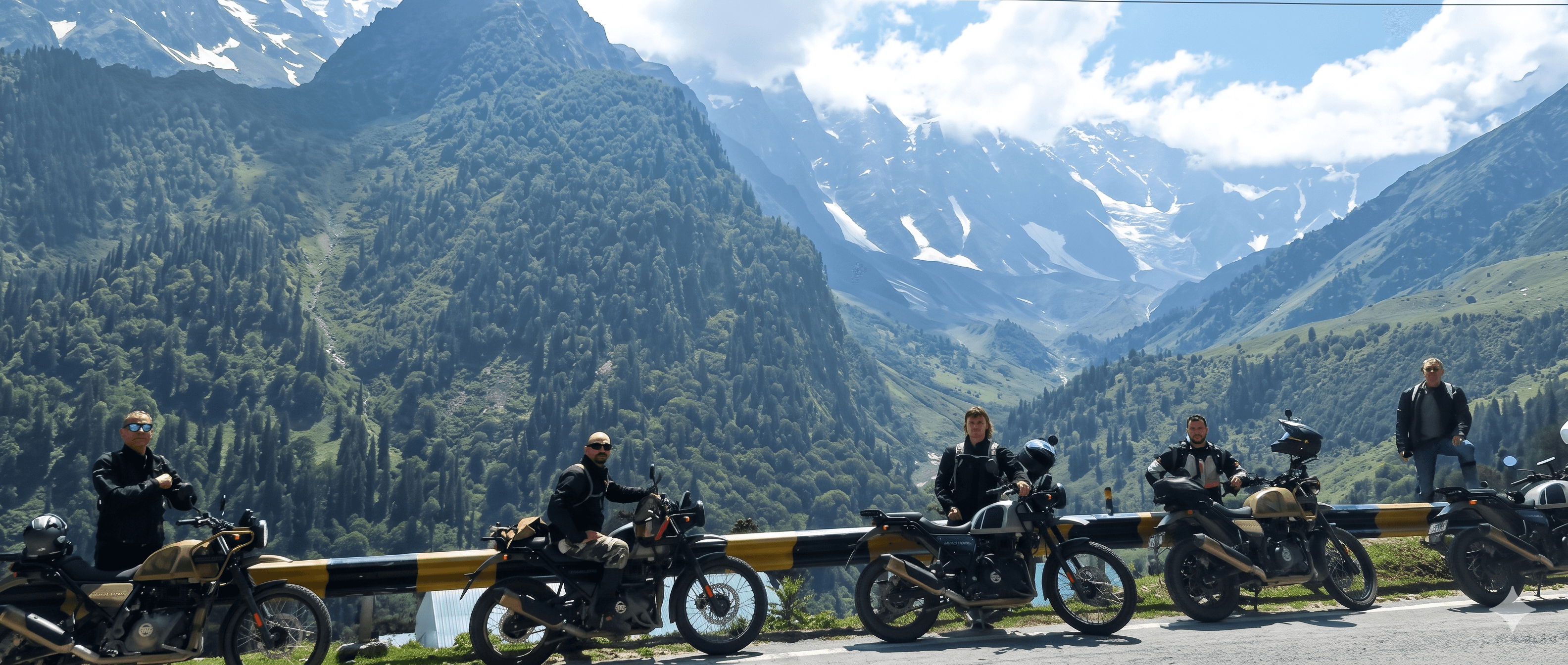
There is something special about riding a motorcycle in the Himalayas. The winding mountain roads, quiet villages, snow-covered peaks and endless changing landscapes make it an experience unlike anywhere else in the world.
But riding in the Himalayas is not quite like riding anywhere else.
As you climb higher, the air becomes thinner, temperatures drop, roads become unpredictable and even a simple journey can demand more energy than you expect. Some of the most beautiful mountain passes are located above 4,000 metres, with a few reaching over 5,000 metres.
Whether you are planning your first motorcycle adventure in Ladakh, exploring the remote valleys of Himachal Pradesh or travelling through the high mountain regions of the Himalayas, a little preparation can make your experience much safer and more enjoyable.
You don't need to be an athlete or an expert off-road rider. What matters most is understanding the environment, listening to your body and being prepared for the unexpected.
Here are a few things worth knowing before setting off.
1. Give your body time to adjust to the altitude
This is probably the most important part of preparing for a Himalayan adventure.
At higher elevations, atmospheric pressure decreases, which means less oxygen is available with every breath. Your body needs time to adapt to these conditions, a process known as acclimatisation.
Some travellers feel perfectly comfortable at 3,000 metres, while others may experience symptoms even at lower elevations.
Altitude sickness, also known as Acute Mountain Sickness (AMS), can affect anyone, regardless of age, fitness or previous mountain experience.
Common symptoms include:
- Headaches
- Nausea or loss of appetite
- Dizziness
- Unusual tiredness
- Difficulty sleeping
The best way to reduce the risk is to ascend gradually and allow sufficient time for acclimatisation.
As a general guideline, once above 3,000 metres, sleeping altitude should not increase by more than approximately 500 metres per day. An additional acclimatisation day is recommended for every 1,000 metres gained in sleeping altitude.
Most importantly, never ignore symptoms. If you develop altitude sickness, do not continue ascending. Worsening symptoms, especially breathlessness at rest, confusion or difficulty walking straight, require immediate medical attention and descent.
2. Get physically prepared, but don't overdo it
You don't need to spend hours in the gym to enjoy a motorcycle journey in the mountains.
However, having reasonable fitness will help you manage long riding days, changing weather and the physical demands of travelling at altitude.
Ideally, start preparing four to six weeks before departure.
A simple routine can include:
- Walking for 30–45 minutes most days.
- Cycling or swimming to improve cardiovascular endurance.
- Light strength exercises for your legs, back and shoulders.
- Stretching to improve flexibility.
- Getting enough sleep and maintaining a balanced diet.
Remember that good fitness does not make you immune to altitude sickness. Even experienced mountaineers and professional athletes can experience AMS.
The objective is not to become stronger than the mountains. It is simply to arrive feeling comfortable and ready for the journey.
3. Learn to recognise your body's limits
One of the biggest mistakes travellers make in the mountains is trying to maintain the same pace they are used to at sea level.
At altitude, even walking upstairs or carrying a small bag can leave you more breathless than usual.
Listen to your body. Take regular breaks, avoid rushing and don't feel embarrassed about slowing down.
Drink regularly to avoid dehydration, eat proper meals and avoid alcohol during acclimatisation.
There is also no need to force yourself to drink excessive amounts of water. Drink according to your thirst and activity.
If you are taking regular medication or have an existing medical condition, discuss your travel plans with a healthcare professional before departure. Ask about altitude-related risks and whether any preventive medication is appropriate.
4. Choose your riding equipment carefully
Mountain weather can change surprisingly quickly. You might start the morning in pleasant sunshine, encounter strong winds at a high pass and finish the day in rain or cold temperatures.
The secret is wearing layers rather than relying on one very thick jacket.
A practical clothing system includes:
Base layer: Thermal innerwear that keeps you comfortable and manages moisture.
Mid layer: A fleece or lightweight insulated jacket for warmth.
Outer layer: A protective motorcycle jacket with proper armour and waterproof protection.
Other important equipment includes:
- A good-quality full-face helmet.
- Protective riding trousers.
- Waterproof and warm gloves.
- Comfortable motorcycle riding boots.
- A neck warmer or balaclava.
- Warm socks.
- Sunglasses with good UV protection.
- Sunscreen and lip balm.
Don't underestimate the sun at high altitude. UV exposure increases with elevation, and the combination of strong sunlight, wind and cold can be particularly harsh on your skin.
5. Be comfortable riding on different road surfaces
You don't necessarily need extensive off-road experience to enjoy the Himalayas, but you should be comfortable handling a motorcycle in changing conditions.
Depending on your route and the season, you may encounter:
- Smooth mountain tarmac.
- Broken and uneven roads.
- Loose gravel and stones.
- Muddy sections.
- Water crossings.
- Steep climbs and descents.
- Tight hairpin bends.
Before travelling, it is worth practising slow-speed riding, controlled braking, cornering and handling your motorcycle on gravel.
On mountain roads, smooth inputs are more important than speed. Avoid sudden braking or aggressive acceleration, especially on loose surfaces.
Always maintain a safe distance from other riders and leave enough room to react to unexpected obstacles.
And remember: there is absolutely nothing wrong with stopping, taking a break or walking your motorcycle through a difficult section if you don't feel comfortable.
6. Understand that mountain weather is unpredictable
Weather is one of the biggest variables when travelling in the Himalayas.
Conditions can change dramatically within a few hours. A sunny morning does not necessarily mean a clear afternoon.
Rain, snowfall, strong winds, landslides and road closures can affect travel plans, particularly during the shoulder seasons.
Keep your itinerary flexible and avoid planning every day around reaching a particular destination at a fixed time.
Check local weather forecasts and road conditions before setting off. If conditions become unsafe, waiting for a few hours or changing the route is often the better decision.
In the mountains, flexibility is not a weakness. It is part of travelling responsibly.
7. Pack sensibly and carry the essentials
When preparing for a motorcycle adventure, it is tempting to pack too much. But unnecessary luggage can make riding uncomfortable and affect motorcycle handling.
Keep your luggage simple and organised.
Here is a useful checklist:
Riding equipment
- Helmet and protective riding gear
- Gloves and waterproof layers
- Motorcycle boots
- Thermal clothing
Personal essentials
- Passport and travel documents
- Personal medication
- Sunscreen and lip balm
- Sunglasses
- Small personal first-aid kit
- Toiletries
Electronics
- Mobile phone
- Charging cables
- Power bank
- Camera and spare batteries, if needed
Other useful items
- Reusable water bottle
- Small headlamp
- Lightweight daypack
- Some cash for remote areas
Keep essential medicines, documents and warm clothing accessible rather than buried at the bottom of your luggage.
8. Look after your motorcycle
High-altitude riding can be demanding on both the rider and the motorcycle.
Before starting your journey, make sure your motorcycle has been properly serviced.
Pay particular attention to:
- Brakes and brake pads.
- Tyres and tyre pressure.
- Chain condition and lubrication.
- Engine oil and coolant, where applicable.
- Battery and electrical connections.
- Clutch and throttle operation.
- Lights and indicators.
At higher elevations, reduced air density can affect engine performance, particularly on naturally aspirated motorcycles. You may notice less power when climbing steep mountain roads. This is normal, so be patient and avoid pushing the engine unnecessarily.
If you are travelling through remote areas, mechanical support and a basic understanding of your motorcycle can be extremely useful.
9. Prepare yourself mentally for a different kind of journey
Perhaps this is the most underrated part of preparing for a Himalayan motorcycle adventure.
Not every day will be perfect. There may be long riding hours, dusty roads, basic facilities, unexpected delays or a change of plans.
Sometimes you will arrive at a beautiful mountain pass and find it covered in clouds. On another day, a road closure might mean spending an extra night in a small village.
Learn to enjoy these moments rather than seeing them as problems.
The Himalayas reward patience. Some of the best experiences happen when you slow down, put away your camera for a moment and simply enjoy where you are.
Take time to meet local people, try regional food, explore small villages and appreciate the incredible cultures that make these mountains so special.
10. A final word: Respect the mountains
A Himalayan motorcycle adventure is not a race to reach the highest pass or cover the greatest distance.
It is about enjoying the journey while respecting the environment and understanding your own limitations.
Prepare properly, acclimatise gradually, choose the right equipment, ride within your abilities and remain flexible.
And most importantly, never ignore your health or safety just to complete an itinerary.
The mountains will always be there. There is no need to rush.
Ride safe, take your time and enjoy every kilometre.
See you somewhere on the Himalayan roads!
— Offbeat Rides